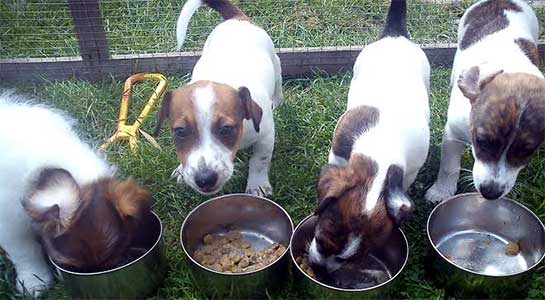
Most people put more thought into choosing a car than choosing a puppy (or dog from a rescue centre) yet a puppy will be with you for many more years, will be much more part of the family, can’t be shut in the garage, and (in most cases!) will be loved a great deal more.
Does the specification suit you? Do you like the colour? Is the regular maintenance within your budget and time available? Second hand, brand new, ex-display model? What is the best age to bring a puppy home?
- Do you want a 4×4 that will enjoy being covered in mud such as a Labrador or a Spaniel, or would you prefer a sleek sports model that stays pretty clean but goes quite fast such as a Whippet?
- How about a medium family car (sorry, dog!) that does a bit of everything like a Beagle, or a beautiful classic that needs a lot of polishing, pampering, cleaning and brushing but is happy with a short trip out every day, like a Shih-Tzu?
- Or maybe you need an old work van – looks aren’t important, but keeping up with an active lifestyle and being able to go anywhere at a moment’s notice is, a sturdy crossbreed with plenty of stamina.
I can give guidance on whether your chosen breed is right for you. I can also assess breeders – some large commercial breeders are very clever at disguising where their puppies are bred and brought up, and this can be extremely important if you want a happy and successful future with your pup.
- House training can take months, years or mere weeks depending on how the breeder houses the litter.
- Puppies may be prone to separation problems or temper tantrums if Mum is forced to remain with the puppies the entire time. Equally, if removed from Mum too soon, they miss out on a great deal of education.
- Puppies raised correctly by the breeder are less likely to ‘playbite’ or eat as if they were starving and snatch or steal food.
- Puppies may have difficulty adapting to new situations and environments as they grow up, which can lead to aggression or fear problems, if raised away from normal family sights and sounds.
- Sickness and ill health can be passed between litters and puppies very easily, large commercial breeders won’t health test parents or check for inbreeding which can mean genetic problems for your pup.
If required, I can visit breeders on your behalf, or with you, or simply spend an hour together while you learn what to look for in a great breeder with a great litter, or go over what you have seen on a past visit to a breeder. Discretion is assured.
Tips on buying a puppy
Never buy a puppy if you haven’t seen the mother, except through a reputable rescue (preferably a registered charity). If you have seen Mum, and wouldn’t want to take her home because of the way she is behaving, don’t take her pup.
Always ask to see where the puppy lives. If you want a dog to live in your home, it should be born and raised in the breeder’s home.
Never buy a sick puppy, even if you feel sorry for it, and want to rescue the pup. It will encourage the breeder to breed more, keeping more dogs in misery.
Dog ‘dealers’ buy up litters of puppies and will deliver around the country, often for free, or meet you in laybys to hand over the pup. Avoid these at all costs as they often come from puppy farms. It’s easy to fake Kennel Club papers – a breeder will register more puppies than are born, then sell the papers to a dealer, who matches them to a different litter of puppies, so don’t rely on paperwork alone.
When buying a puppy please do a lot of background research into your chosen breeder, and avoid using classified ads if possible – any ad with a T on it is a dealer!
More information is on the Kennel Club, Dogs Trust and RSPCA websites.